Comparing Different Types of Furniture Fittings: What Works Best for You?


Understanding Furniture Fittings
When it comes to furnishing your home or office, the fittings you choose can significantly impact both functionality and aesthetics. Furniture fittings include components like hinges, drawer slides, and handles that are essential for the proper operation and appearance of your furniture.
Choosing the right fittings can be overwhelming due to the variety available. Each type has its own advantages, making it crucial to understand what works best for your specific needs.
Types of Furniture Fittings
Hinges
Hinges are vital for doors and cabinets, providing the necessary pivot point. Common types include butt hinges, concealed hinges, and piano hinges. Concealed hinges are popular for their sleek design, offering a seamless look. On the other hand, butt hinges are traditional and often used in vintage or rustic furniture.
Consider the weight and material of your doors when selecting hinges, as these factors will affect durability and performance.
Drawer Slides
Drawer slides ensure smooth operation of drawers. Options range from side-mounted slides to undermount slides. Side-mounted slides are visible and easier to install, while undermount slides provide a cleaner look but may require precise installation.
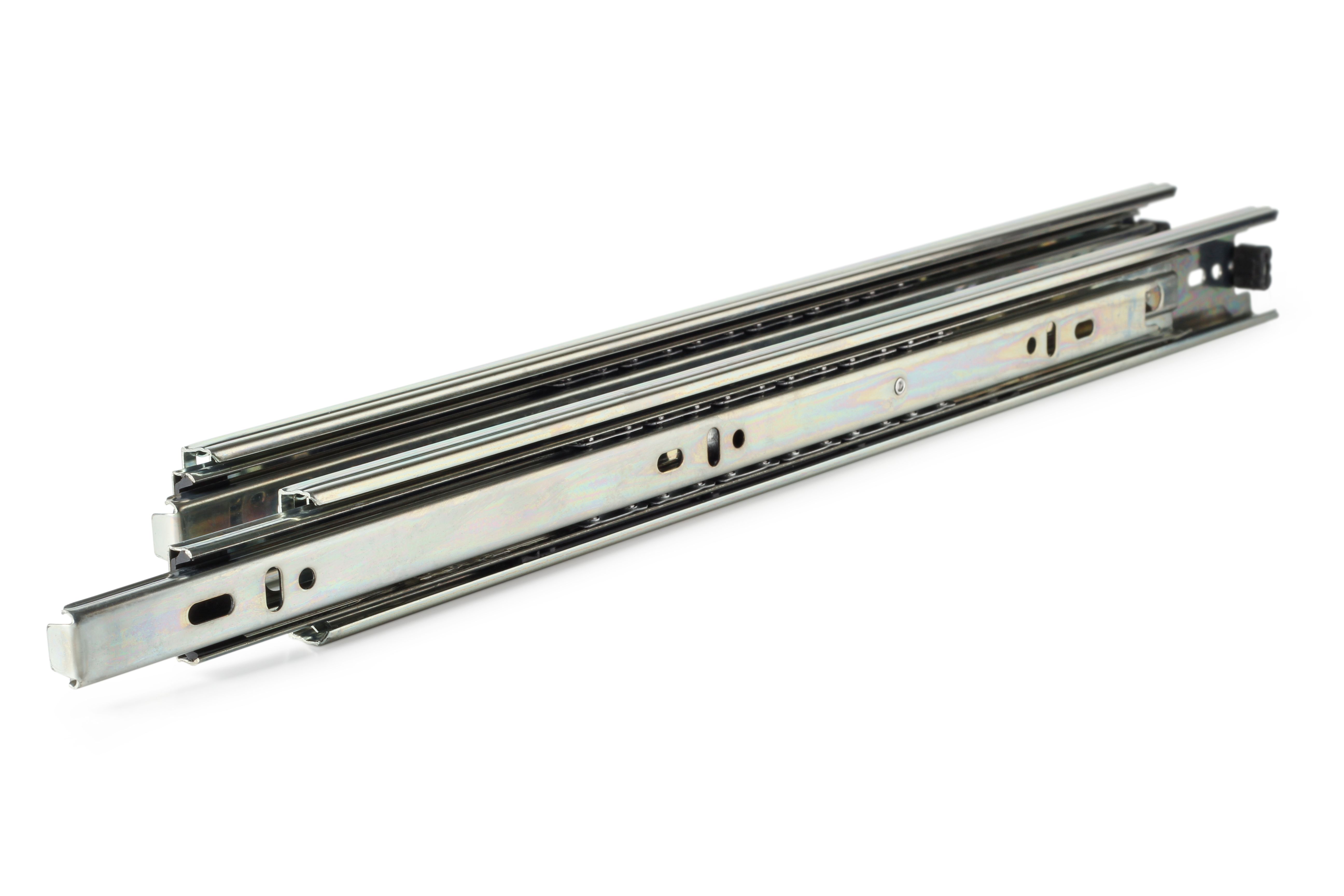
Soft-close features are increasingly popular, preventing drawers from slamming and ensuring a quieter environment.
Handles and Knobs
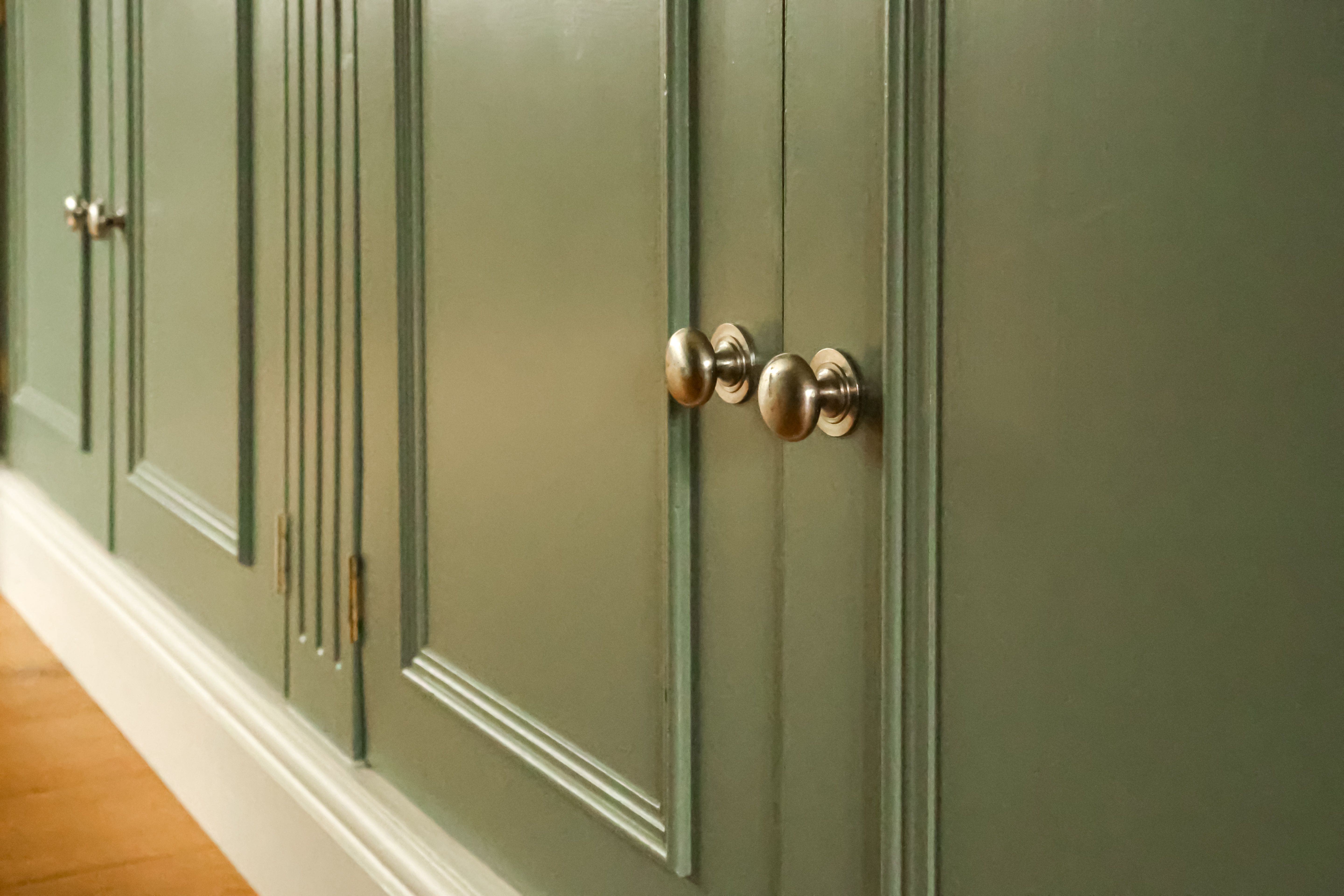
Handles and knobs are not just functional; they are a key design element. Options include bar handles, knobs, and cup pulls. Each style can complement different aesthetics, from modern to traditional.
Materials vary from metal to ceramic, offering versatility in design. Consider the overall theme of your space when selecting these fittings.
Material Considerations
The material of your fittings plays a crucial role in both appearance and durability. Metal fittings, such as brass or stainless steel, offer robust performance and a modern look. Wooden fittings can provide a warm, classic touch but may require more maintenance.
Ensure that the material matches the environment, especially in areas prone to moisture, like kitchens and bathrooms.
Making the Right Choice
When selecting furniture fittings, consider the balance between functionality, style, and budget. Think about the frequency of use and the weight of the furniture pieces. It might be worth investing in higher-quality fittings for frequently used items.
Ultimately, the best choice will depend on your personal preferences and the specific requirements of your space. By understanding the different types of furniture fittings, you can make informed decisions that enhance both the look and functionality of your furniture.